Call Verification Records: 2565103546, 2565405066, 2565488647, 2565675872, 2566156921, 2566296248

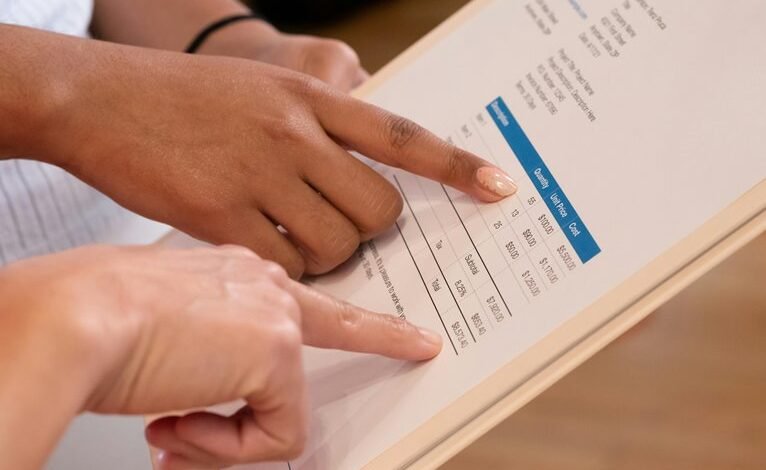
Call verification records for the specified numbers serve as essential tools in analyzing communication patterns. They can reveal anomalies that suggest potential scams or fraudulent activities. By scrutinizing these records, organizations can bolster their ability to protect customer data and enhance trust. However, the implications of these findings extend beyond mere identification. What further strategies can be implemented to safeguard against these risks?
Understanding Call Verification Records
Call verification records serve as critical documentation in various fields, particularly in telecommunications and customer service. They encompass call logs that detail communication history, enabling organizations to validate interactions.
Effective verification methods, including cross-referencing data and employing automated systems, enhance accuracy and reliability. Such records empower companies to maintain transparency, ensuring customers’ freedom to access information while mitigating risks associated with misinformation.
Identifying Potential Scams and Fraudulent Activities
Analyzing call verification records can reveal patterns indicative of potential scams and fraudulent activities.
Key scam indicators include repeated calls from similar numbers, unusual calling hours, and high call volumes to unverified recipients.
By identifying these patterns, individuals can enhance fraud prevention measures, safeguarding personal information and financial assets.
Vigilance in monitoring such records is crucial for maintaining autonomy and security in communications.
Best Practices for Navigating Call Verifications
While navigating call verifications, individuals should adopt a systematic approach that prioritizes accuracy and thoroughness.
Implementing call verification tips enhances the process, ensuring all relevant data is reviewed. Effective communication with stakeholders can further clarify intentions and actions.
Conclusion
In the intricate web of communication, call verification records serve as a vigilant lighthouse, guiding organizations through the fog of potential scams and fraudulent activities. By meticulously analyzing these records, companies can unveil patterns that may otherwise remain hidden, enhancing their ability to protect customer information. Adopting best practices in call verification not only fosters trust but also fortifies defenses against misinformation, ultimately contributing to a more secure and transparent communication landscape.