Financial Performance Dashboard: 101023442, 101030500, 101040500, 104439950, 105517881, 107502735

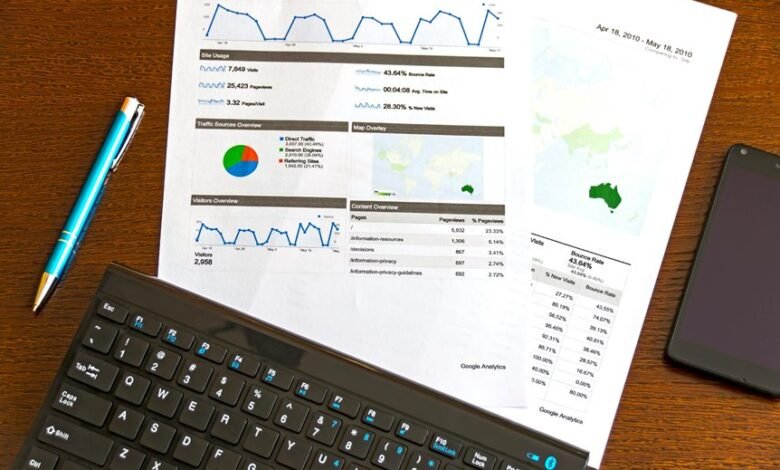
The financial performance dashboard for accounts 101023442, 101030500, 101040500, 104439950, 105517881, and 107502735 serves as a crucial tool for assessing fiscal health. It effectively employs data visualization to simplify complex financial metrics. This enables stakeholders to engage with real-time analytics effortlessly. However, understanding its key features and benefits can reveal deeper insights into its strategic importance. What implications might these insights have for decision-making in a rapidly changing financial environment?
Key Features of Financial Performance Dashboards
What constitutes the essential elements of an effective financial performance dashboard?
Key features include robust data visualization tools that transform complex financial data into comprehensible visuals.
Additionally, real-time analytics are crucial, allowing stakeholders to monitor financial health and make informed decisions promptly.
These elements collectively enable organizations to respond swiftly to financial dynamics, promoting a culture of transparency and strategic agility in their operations.
Benefits of Utilizing Financial Performance Dashboards
While organizations increasingly prioritize data-driven decision-making, the benefits of utilizing financial performance dashboards become evident.
These dashboards enhance data visualization, allowing stakeholders to quickly interpret complex financial data. By providing real-time insights, organizations can respond swiftly to emerging trends and challenges, ultimately fostering agility and informed decision-making.
This capability empowers teams to optimize performance and align strategies with financial goals effectively.
Best Practices for Implementing Financial Performance Dashboards
Implementing financial performance dashboards requires a strategic approach to ensure effectiveness and usability.
Best practices include prioritizing data visualization techniques that enhance clarity and comprehension, thereby boosting user engagement.
Additionally, involving stakeholders in the design process helps tailor dashboards to specific needs.
Regularly updating data and incorporating feedback fosters continuous improvement, ensuring that the dashboard remains relevant and effective for decision-making.
Conclusion
In summary, the financial performance dashboard serves as a vital tool for organizations, akin to a compass guiding a ship through turbulent waters. Its key features facilitate clear data visualization, while the benefits of real-time analytics empower stakeholders to make informed decisions. By adhering to best practices during implementation, organizations can ensure the dashboard remains a relevant and effective asset, adeptly navigating the complexities of the financial landscape and fostering a culture of transparency and strategic alignment.